
The Impact of Not Having Horse Racing Events in the UK
The world of UK horse racing has always been a vibrant and integral part of the sporting landscape. However, the absence of horse racing events, whether due to unforeseen circumstances, regulatory changes, or economic downturns, creates a ripple effect that is felt far beyond the racetrack. The implications of this absence extend to various sectors, including the economy, culture, and even the online betting industry. For those looking for the UK Horse Racing Not on GamStop best horse racing betting sites, the lack of events can be a significant disappointment.
The Economic Impact of Horse Racing Not Taking Place
Horse racing is not merely a sport; it is an industry that generates substantial revenue for the UK economy. From gate receipts to betting taxes, the financial implications of cancelled or postponed races can be enormous. The British Horse Racing Authority (BHA) estimates that racing contributes £4 billion annually to the economy, supporting jobs, tourism, and local businesses.
When racing ceases, many stakeholders, including trainers, jockeys, stable staff, and racecourses, face an immediate threat to their livelihoods. Employment in the racing industry is not just limited to those on the track; it includes farmers who raise the horses, veterinary professionals, and even the hospitality sector that thrives on race day crowds. The cascading economic impact can lead to layoffs, business closures, and a weakened supply chain.
Betting Trends and Online Gambling
The betting industry is intricately linked with horse racing. Many fans and gamblers look forward to placing their bets at different racecourses or online platforms. When horse racing is not on, however, the betting landscape shifts significantly. Online bookmakers may find alternative sports to promote and wager on, but the audience for those events may not match the avid following that horse racing enjoys.
Betting companies often run promotions and special offers tied directly to racing events, which keep punters engaged and attract new customers. In the absence of these events, businesses may struggle to maintain customer interest, leading to potential declines in revenue. As more individuals turn to other forms of entertainment and gambling, the void left by horse racing could lead to a long-term shift in betting habits.
Effects on Fan Engagement and Culture
Horse racing has a rich cultural heritage in the UK, steeped in tradition and community. Racing events such as the Grand National and Royal Ascot are more than just sports; they are social gatherings that bring people together from all walks of life. The excitement of race day, the fashion, the camaraderie, and the shared experience of watching horses thundering down the track create a unique atmosphere that cannot be replicated elsewhere.
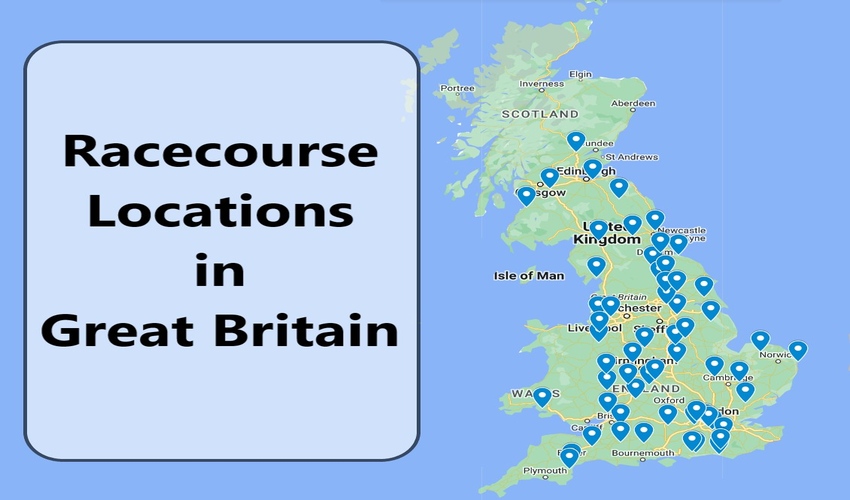
The absence of these events can lead to a disengagement from the sport. Fans may feel a void in their social calendar, leading to a decline in interest and attendance in future events. Racing clubs and local communities often rely on these large gatherings not only for economic revitalization but also for fostering community spirit. Over time, this disengagement can erode the cultural significance of the sport.
Potential Alternatives and Solutions
As the racing community navigates through challenges posed by disruptions, adaptation becomes crucial. While nothing can completely replace the thrill of live horse racing, the industry must look for innovative solutions to remain relevant. Virtual racing and online simulcasts have gained traction in recent years, offering fans a digital alternative to in-person attendance. This approach can help maintain interest in the sport and provide betting opportunities even when live events are not feasible.
Broadening the appeal of horse racing could also be beneficial. By diversifying events—adding themed race days or integrating music and arts into the experience—the industry may draw in a different audience who may not traditionally engage with horse racing. This could revitalize interest and ensure that the sport remains vibrant, even in difficult times.
Conclusion
The absence of horse racing events in the UK has far-reaching implications that extend well beyond the racecourse. From economic challenges to cultural shifts and changes in betting behavior, the impacts are significant and multifaceted. As the industry adapts to these new realities, it must prioritize innovation and community engagement to ensure its survival and relevance in the modern landscape. Racing enthusiasts, stakeholders, and the wider public will have to navigate this transitional period effectively, seeking new ways to celebrate and engage with the cherished traditions of UK horse racing.
